
We No Longer Sell Lustour Stones
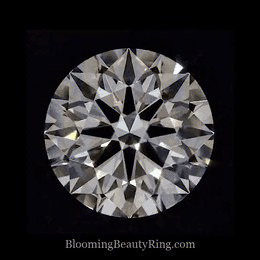
For many years, Lustour Stones served a genuine purpose. Since a high-quality, natural earth-mined diamond was not an affordable option for many customers, and lab-grown diamonds were not yet available, Lustour Stone simulated diamonds were an excellent option that filled the gap for many customers over the years.
Since that time, the market has changed considerably. When lab-grown diamonds first became available, they sold for approximately 10–20% less than natural earth-mined diamonds. Over the next few years, as lab-grown diamonds became widely accepted, the cost steadily declined to the point that today lab-grown diamonds cost approximately 80–90% less than natural earth-mined diamonds.
That changes the equation entirely. In our opinion, a real diamond — whether natural or lab-grown — is superior to a simulated diamond alternative. And since real, lab-grown diamonds are available to our customers at such an affordable price, we highly recommend them as “the affordable option” now.
Lab Grown Or Earth Mined DiamondsWhich One Is Right For You?
Both Types Of Diamonds Can Be Equally Beautiful
Blooming Beauty Ring offers both lab grown and earth mined center diamonds. We are not here to push you toward either one. Our goal is to explain the honest advantages and disadvantages of each so you can choose the diamond that is best for you.
The first thing to understand is that both are real diamonds. Both can be equally beautiful, both will last forever, and nobody can tell which one she is wearing simply by looking at her ring.
Lab Grown Diamonds
- Cost substantially less than comparable earth mined diamonds.
- May allow you to choose a much larger diamond, a higher quality diamond, spend less money, or all of the above.
- Are created by people using specialized equipment over a period of days or weeks.
- Do not have the geological rarity of a natural diamond and generally have a weaker resale market.
Earth Mined Diamonds
- Were formed by Mother Nature deep within the Earth, usually billions of years ago.
- Offer natural rarity, ancient history and the tradition many people associate with diamond jewelry.
- Have a more established resale market.
- Cost substantially more, which means the same budget will usually buy a smaller diamond, lower quality grades or both.
Most diamonds of either type should not be considered a financial investment. The better choice is the one that fits your preferences, priorities and budget.
For decades, buyers simply did not have this choice; the technology had not yet advanced far enough. Fortunately, today our customers have the better option of very affordable lab-grown diamonds.
Browse our Flower Engagement Rings or Unique Engagement Rings.
Lustour vs. Moissanite
The Moissanite had it’s day in the sun. To those who couldn’t afford a real diamond the moissanite was the answer. But over time we’ve received many calls and emails asking if there was a better alternative to the diamond. For a while there wasn’t.
Then we stumbled upon the Lustour Diamond. We informed all of our clients who asked us about a better alternative, and they jumped on it. They couldn’t be happier, and since then we’ve been letting our future clients in on the secret. It really is that beautiful.
The Lustour Stone is completely green!
- It’s completely lab grown making it eco-friendly.
- 100% conflict free and completely ethical. So you can be sure you’re not getting a blood diamond.
- Never Mined. It didn’t require draining lakes, explosives, or damaging fragile ecosystems in Russia, Canada, Africa, U.S.A, and many more places.
- Carbon based just like a diamond, so it will have the properties of a mined diamond, and act like a mined diamond without the excessive energy used to actually mine a diamond.
Lab Grown
100% Conflict Free
Carbon based like a diamond using minute energy
A Lustour stone is about as close as you can get to a real diamond without actually buying the real thing.
The dispersion and refraction (fire and sparkle) is so close to a diamond that’s it’s impossible to tell the difference without a microscope and a trained professional.
Dispersion, refers to an optical property of gemstones whereby flashes and pinpoints of spectral colors are displayed as the stone is turned in the light. And, as the light moves through the diamond, it is scattered and fractured, creating the sparkle that diamonds are known for. This is the refraction.

The Quality of a Lustour Diamond Alternative
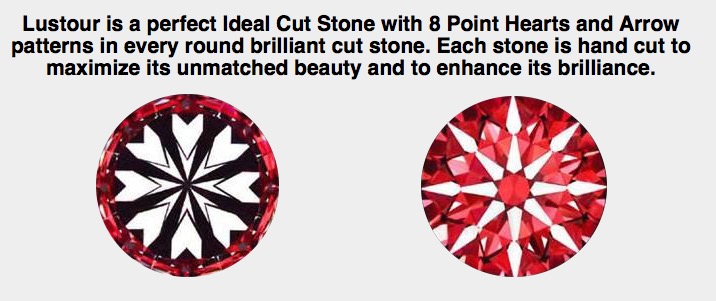
Even though the price of the Lustour stone is the same price across the board. It’s always colorless (D-F in color), it’s always Flawless to Near Flawless (IF – VS in clarity), and it’s always hand cut to hearts and arrows perfection. That is to say that its cut is immaculately ideal which in turn gives off a brilliant sparkle with every twist of the hand
Can a Lustour Stone be confused with a real diamond?
If you’re just looking at it, Yes. It was created to mimic the natural look and brilliance of a real diamond. Even we couldn’t distinguish the difference between the two. However, try and pass the Lustour diamond off as real one at a jewelers and you’ll find it’s not so easy.
Not because they can tell the difference with their own eyes, but there’s a machine that can test different gemstones. Called, for lack of better name, a Diamond Testing Machine. The Lustour diamond manufacturers added a special chemical into their gemstone that only the machine can pick up on. It’s this chemical that tells the machine it’s not a real diamond.
100% Money Back Guarantee for Life
Rest assured that BloomingBeautyRing.com guarantees your Lustour Diamond Alternative for life. If anything should happen to your Lustour stone just send it back to us, and we’ll replace it with a new one. It’s just that simple.
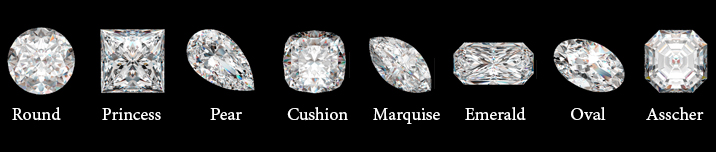
Available in any popular shape, popular size, and most colors.
Lustour Diamonds
Final Thoughts…
If a diamond is out of your price range, you should take the option of a Lustour stone to heart. For the past few months we’ve had the chance to sell the Lustour Stone, and our customers have been exceedingly happy.
The Lustour Stone is a lab-created 100% carbon, synthetic diamond alternative. NOT a diamond simulate. A simulate is glassier looking than a diamond, and gives off an exceedingly higher dispersion (flashes of light). Your typical diamond simulates are Cubic Zirconia, and Moissanite.
The dispersion of diamond simulates, which often looks like a disco ball of light, is usually a dead give-away that it’s not a diamond, and the glassy-ness look in the cheaper to mid versions of cz and moissanite make the “diamond alternate” look extremely fake.
On the other hand, the Lustour Stone is very close to the dispersion of a diamond and it’s refractive property is also quite close. Couple that with the perfect hearts and arrow cut of each, you get an end result of a near perfect choice for a diamond alternative at a fraction of the cost. The best part…
You won’t have to worry about the color, clarity and cut of the Lustour Diamond, where you would with a diamond. Your Lustour Stone will always be near perfection.