
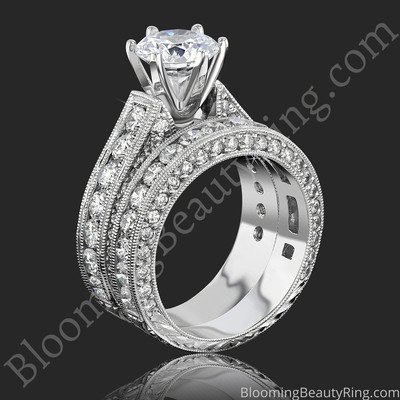
 The Lattice Arch – Engraved Diamond Wedding Ring Set
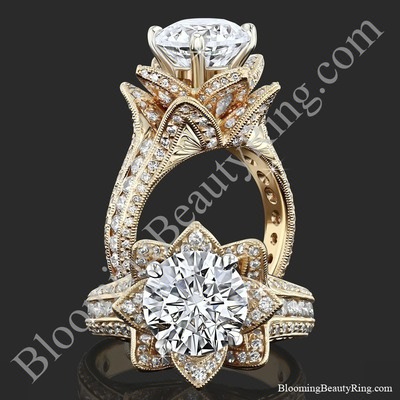 1.78ctw Yellow Gold Large Hand Engraved Blooming Beauty Flower Diamond Engagement Ring
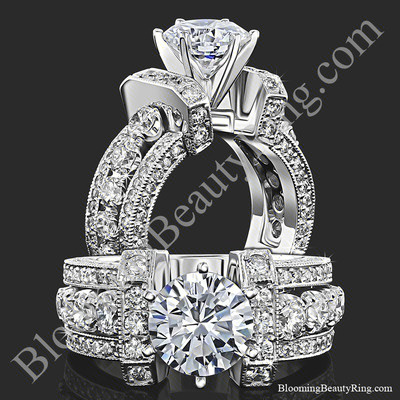 The Show Stopper – 2.0 ctw Statement Diamond Engagement Ring Setting
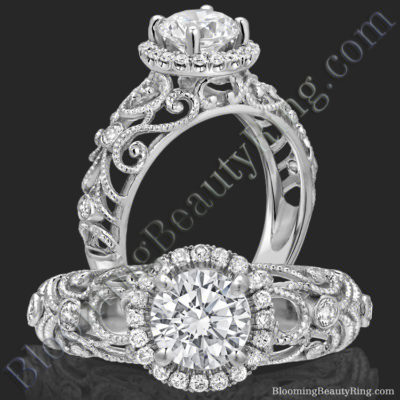 La Bella – Ornamental Filigree Diamond Halo Engagement Ring
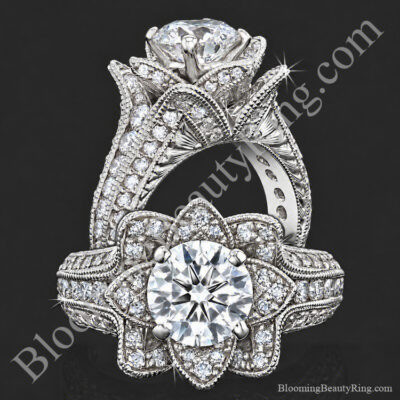 1.37 ctw. Small Hand Engraved Blooming Beauty Engagement Ring
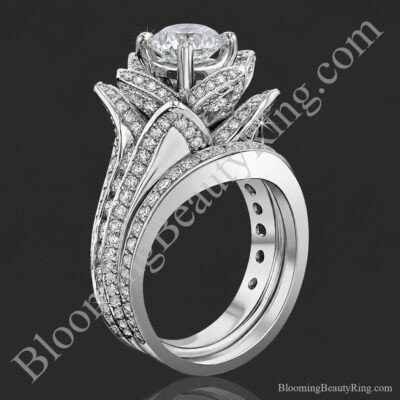 2.08 ctw. Original Large Blooming Beauty Flower Ring Set
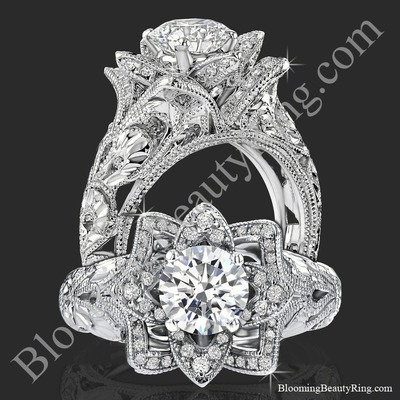 Diamond Embossed Blooming Rose Engagement Ring with Etched Carvings
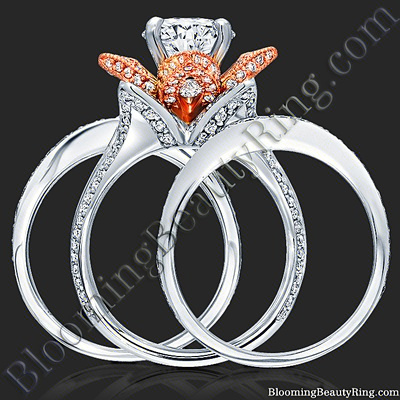 2.38 ctw. Double Band Two Toned White and Rose Gold Flower Ring Set
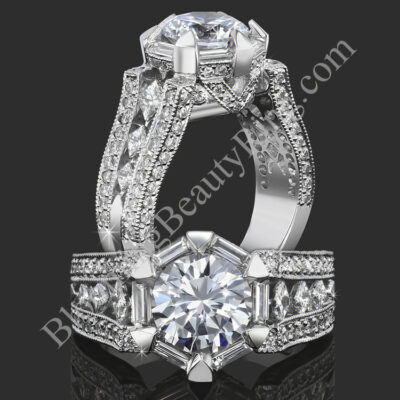 The Queens Crown Low Profile Vintage Inspired Round Engagement Ring
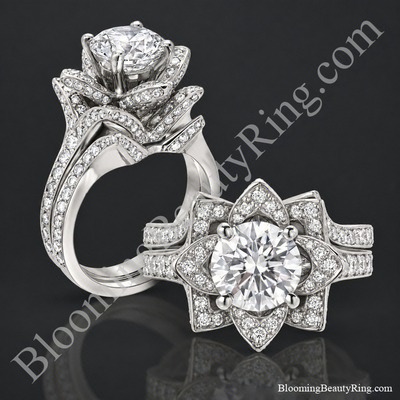 The Large Crimson Rose Flower Diamond Engagement Ring Set
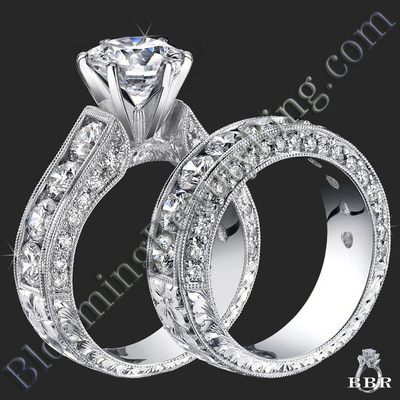 Spectacular 4.20 ctw. Top Quality Round Diamond Engagement Ring Set
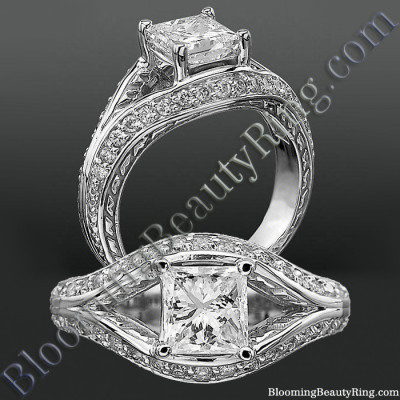 Diamond Paved Artistically Designed Split Shank Engagement Ring
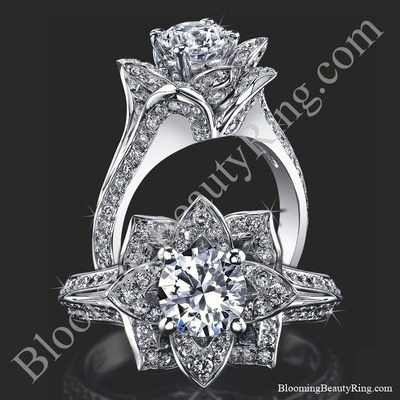 Lotus Ring 8 Petal 1.00 ct. Diamond Band Flower Ring
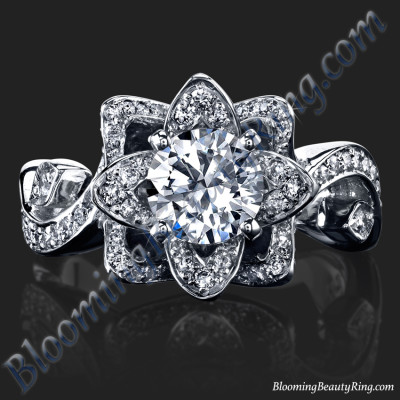 The Lotus Swan 1ct. Diamond Engagement Flower Ring
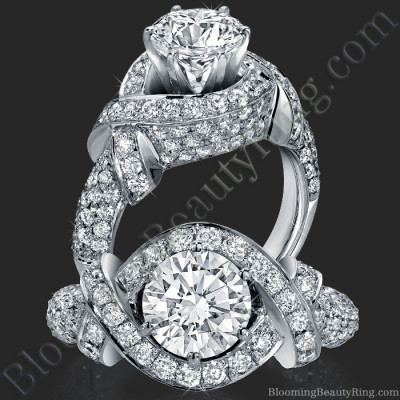 The Eternal Embrace Diamond Engagement Ring
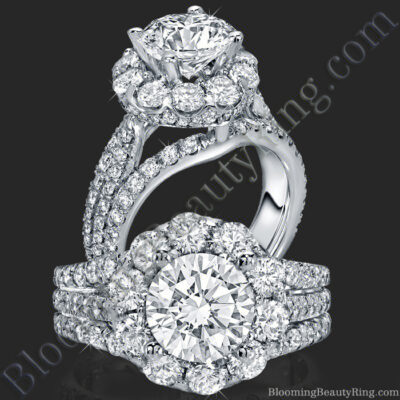 Triple Crown – Three Row Halo Diamond Engagement Ring Setting 2.15CTW
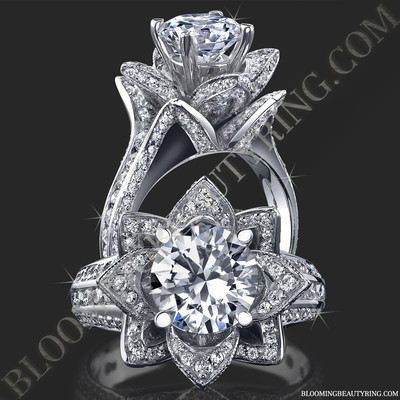 1.78 ctw. Original Large Blooming Beauty Flower Ring
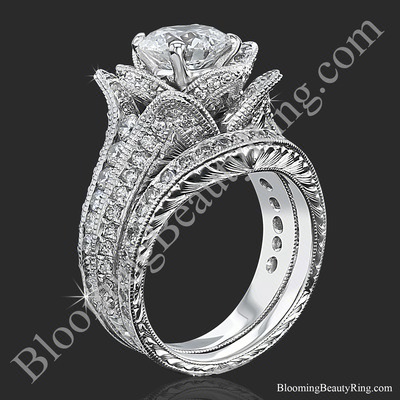 1.67 ctw. Small Hand Engraved Blooming Beauty Wedding Ring Set
It's referred to as rose gold because of the pinkish color of the metal. The reason for this “pinkish” color is due to the presence of copper that was mixed in with the yellow gold; hence rose gold is not a pure form of gold but an alloy. Rose gold is real gold, and its purity depends on the karat: 14K rose gold contains about 58.3% gold, while 18K contains 75%.
Rose gold engagement rings bring that warm color into the design itself. Rose gold brings a blush to sculpted flower petals and a warm background to a diamond’s sparkle. The shade you choose, and where you use it in the ring, can make a beautiful difference.
Lab Grown Or Earth Mined DiamondsWhich One Is Right For You?
Both Types Of Diamonds Can Be Equally Beautiful
Blooming Beauty Ring offers both lab grown and earth mined center diamonds. We are not here to push you toward either one. Our goal is to explain the honest advantages and disadvantages of each so you can choose the diamond that is best for you.
The first thing to understand is that both are real diamonds. Both can be equally beautiful, both will last forever, and nobody can tell which one she is wearing simply by looking at her ring.
Lab Grown Diamonds
- Cost substantially less than comparable earth mined diamonds.
- May allow you to choose a much larger diamond, a higher quality diamond, spend less money, or all of the above.
- Are created by people using specialized equipment over a period of days or weeks.
- Do not have the geological rarity of a natural diamond and generally have a weaker resale market.
Earth Mined Diamonds
- Were formed by Mother Nature deep within the Earth, usually billions of years ago.
- Offer natural rarity, ancient history and the tradition many people associate with diamond jewelry.
- Have a more established resale market.
- Cost substantially more, which means the same budget will usually buy a smaller diamond, lower quality grades or both.
Most diamonds of either type should not be considered a financial investment. The better choice is the one that fits your preferences, priorities and budget.
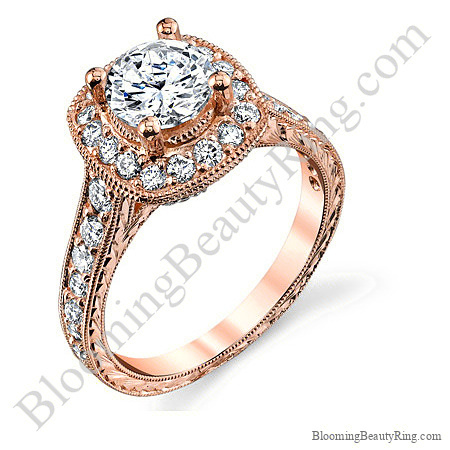
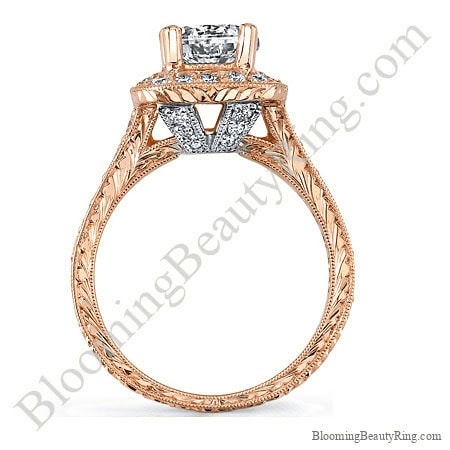
Two Toned White and Rose Gold
Diamond Halo Engagement Ring
In This Article: Gold content · Pink, rose and red shades · White and yellow gold · Choosing a ring · Care · Questions and answers
How Much Gold Is In Rose Gold?
Rose gold, yellow gold and white gold of the same karat contain the same proportion of gold. Their colors come from the other metals in the mixture.
| Karat | Approximate Gold Content | Remaining Metals |
|---|---|---|
| 10K | 41.7% | 58.3% |
| 14K | 58.3% | 41.7% |
| 18K | 75% | 25% |
These percentages describe the metal, not the weight of the diamonds or gemstones in a finished ring. Pure gold is soft, so jewelers mix it with other metals to make alloys suited to different uses. Both 14K and 18K rose gold can be used for engagement rings. Higher gold content is one consideration; the ring’s construction and the particular alloy matter, too.
Rose Gold Throughout Or Rose Gold Plating?
This is a useful distinction when you shop. A piece made of rose gold throughout has its color within the metal. Rose gold plating is a surface layer over another metal, and that layer can wear away. Read the material description carefully: a pink appearance alone does not tell you how a piece was made.
Why Rose Gold Comes In Different Shades
You’ll see the names rose gold, pink gold and red gold used for this family of colors. Copper brings out the reddish tone; changing the balance of copper, silver and other metals changes the shade. Two rings can both be 18K rose gold and still look different.
The mixtures below illustrate the idea. They are examples of 18K alloys, not fixed recipes for every ring sold under these color names. The names can overlap between makers.
Red Gold Example
One example of an 18K alloy
75% gold
This gives the gold a dark orange-red color.
Rose Gold Example
One example of an 18K alloy
75% gold
Due to the slight touch of silver, rose gold is lighter in color than Red gold.
Pink Gold Example
One example of an 18K alloy
75% gold
The larger share of silver in this example softens the copper’s reddish appearance. These comparisons explain a general color direction; the finished shade should be judged from the actual metal.
If you’re choosing an engagement ring and wedding band, compare them together. Matching the karat does not, by itself, ensure an exact color match. Look at samples in neutral daylight as well as indoor light; photographs and screens can make subtle shades harder to judge.
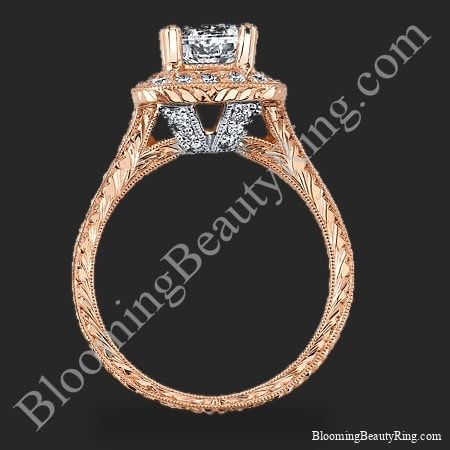
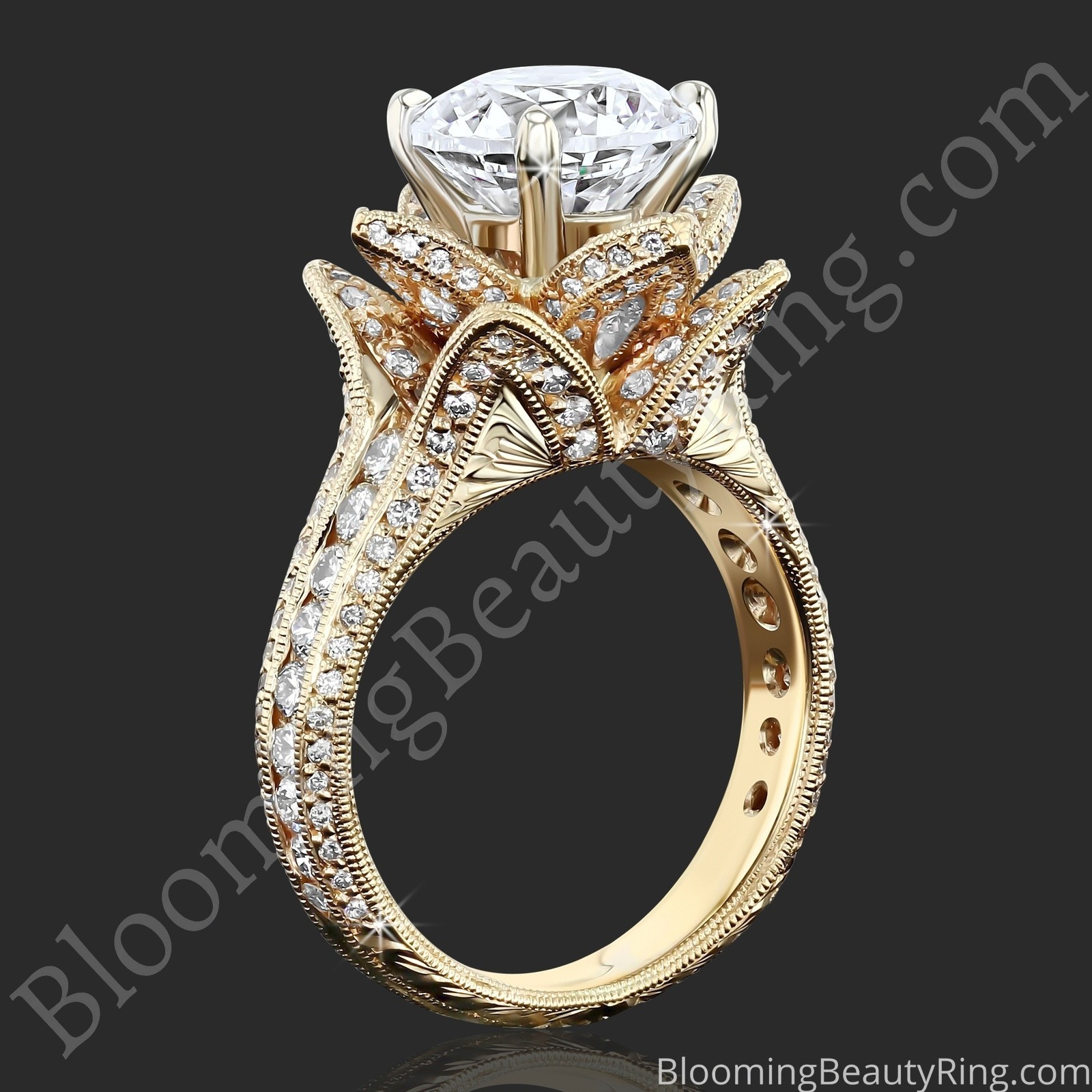
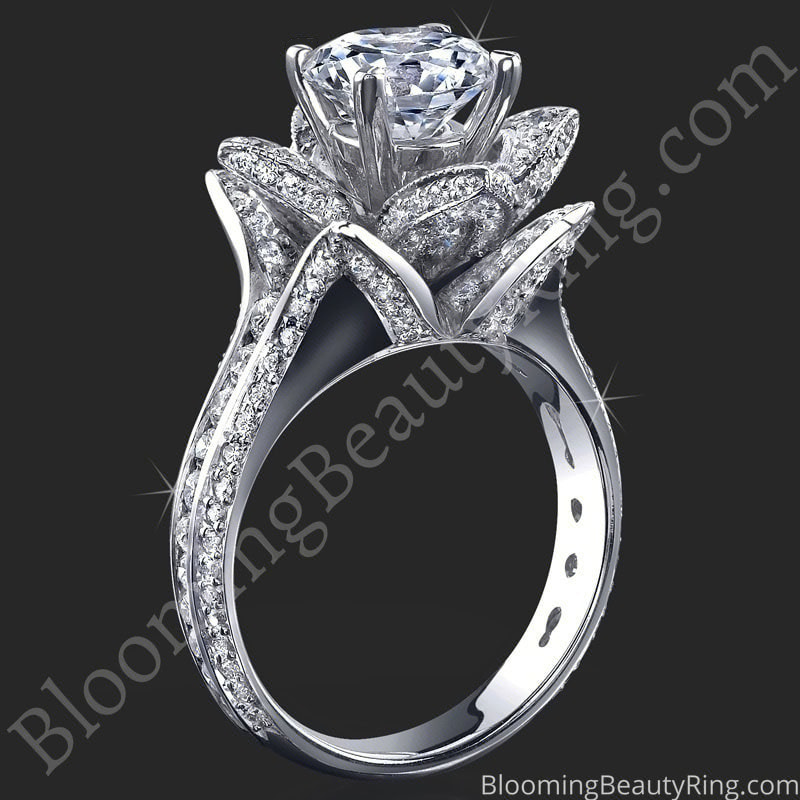
Rose, yellow and white gold shown in different ring designs. The alloy, finish and lighting all influence the color you see.
Rose Gold Compared With Yellow And White Gold
Rose gold’s pink color comes from its alloy. It does not need rhodium plating to create that color.
| Metal | What Creates The Appearance? | What To Consider |
|---|---|---|
| Rose gold | Copper gives the gold alloy a pink to reddish tone. | Compare the actual shade and ask about the alloy if you have a metal sensitivity. |
| Yellow gold | The alloy keeps a yellow appearance. | The shade varies with the mixture and finish. |
| White gold | Alloying metals lighten the gold; rhodium often adds a brighter white finish. | Ask whether the ring is rhodium plated and what maintenance that finish needs. |
A Little History On Rose Gold
Rose gold is often associated with nineteenth-century Russian jewelry, which helps explain the familiar name “Russian gold.” The history of pink gold-and-copper metalwork reaches much further back, however.
Researchers studying Nahuange ornaments from Colombia, dating to approximately AD 100–1000, found that goldsmiths polished some pieces to reveal the pinkish metal beneath a golden surface. Those copper-rich alloys were different from today’s 14K and 18K rose gold. They offer a much older example of craftspeople deliberately appreciating a pink metallic color.
Rose Gold Engagement Rings And Floral Designs
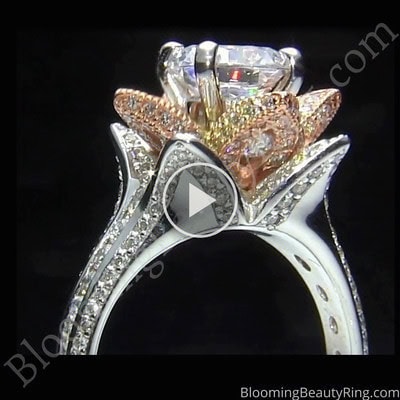
Color becomes especially interesting in a flower engagement ring. Rose gold can give the petals the blush of a rose, while diamonds add points of light around the flower. In a design with carved details or fine milgrain borders, the warm metal can also complement the character of vintage-inspired jewelry.
Look beyond the top view. The curve of a petal, the shape beneath the center stone and the way the shoulders meet the flower all contribute to the finished ring. Those are the details you’ll enjoy discovering when you turn your hand.
Rose Gold Is Beautiful On Its Own, Or In Combination With Other Gold Colors
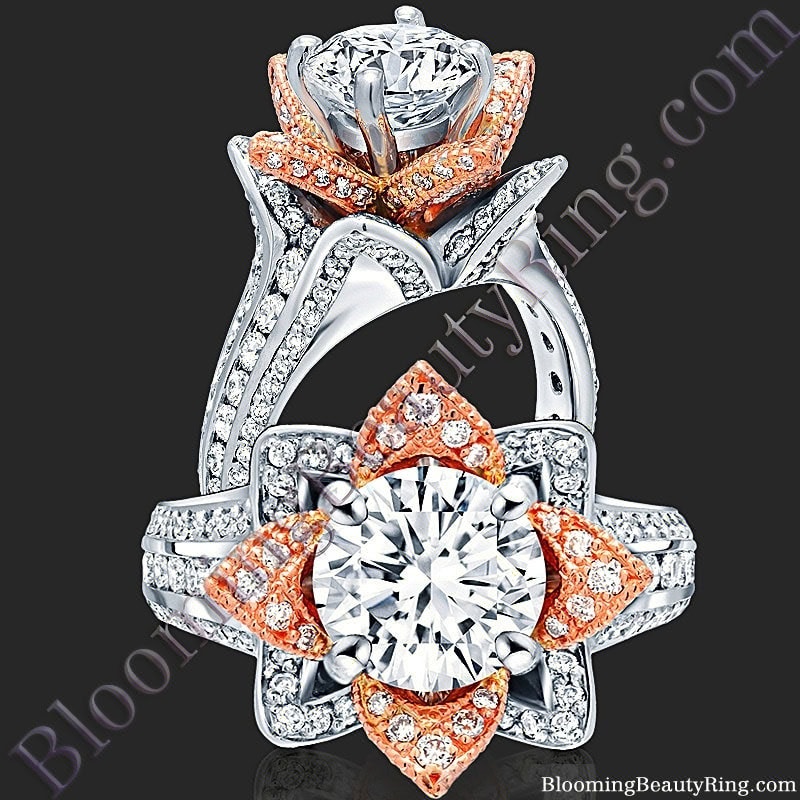
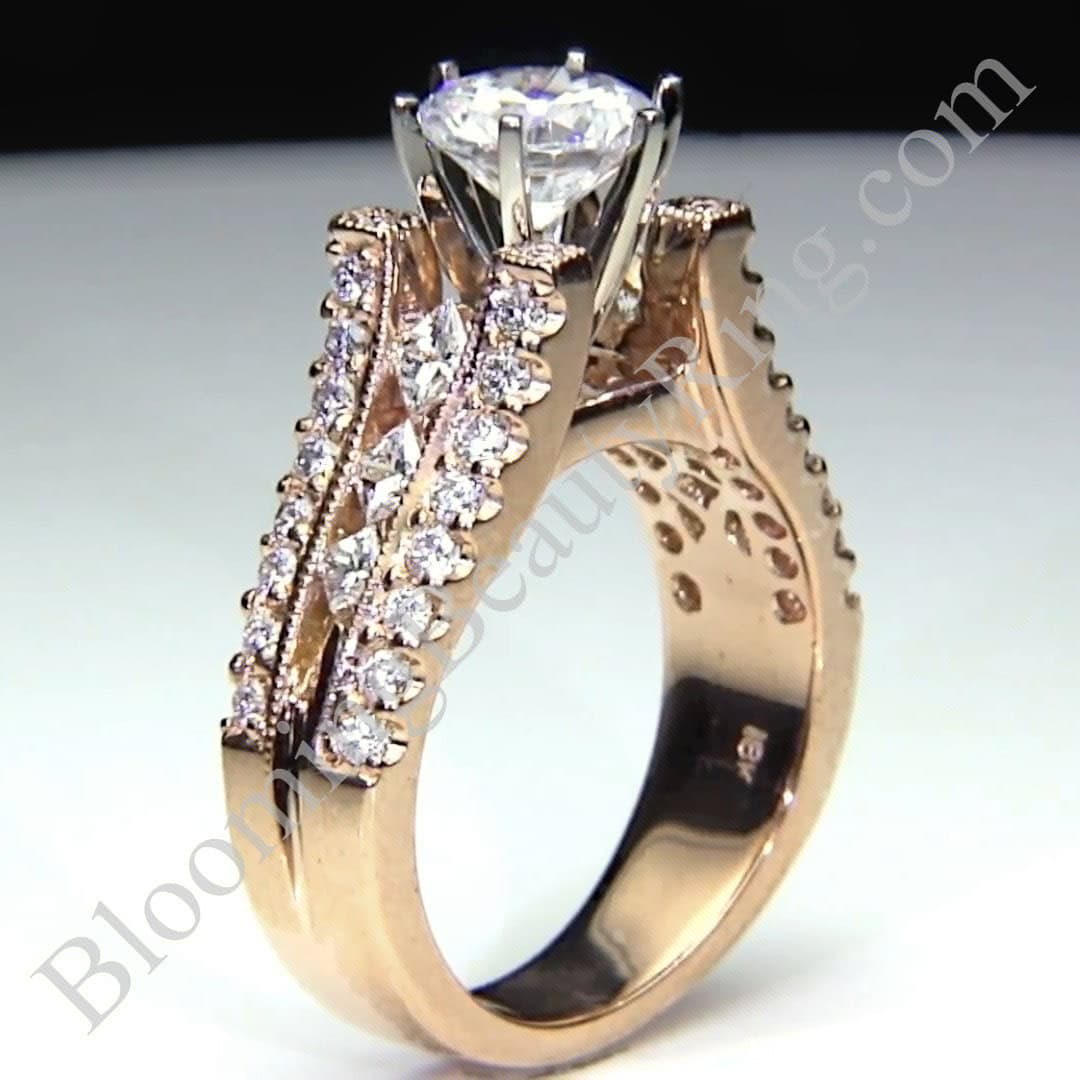
Combining rose gold with white gold lets the two colors define different parts of a design. Rose gold petals can draw your eye toward the flower, while white metal provides a contrasting background. A ring made in one gold color has its own appeal, with the design flowing from the flower into the band.
How Rose Gold Wears Over Time
Rose gold has the ability to change its color with time. Its surface may develop a darker patina, influenced by the alloy and what the jewelry is exposed to. That surface change does not turn an 18K rose gold ring into a different karat or mean it has become a different gold alloy. Some people enjoy an aged appearance; others prefer a brighter finish. A jeweler can assess what cleaning or refinishing is appropriate.
Rose gold can be suitable for everyday jewelry, but the color alone does not tell you how a ring will hold up. Alloy composition and the way the metal is worked affect its properties. The thickness of the band, the setting and how you wear it also deserve attention. A fine petal or prong needs care whatever the gold color.
Choosing A Rose Gold Engagement Ring You’ll Love Wearing
Start with the shade that appeals to you, then look closely at the ring itself. Ask about the karat, compare the engagement ring with its wedding band and consider how the metal around the center stone affects the look. If you have a known metal allergy, discuss the actual alloy before ordering.
Questions And Answers About Rose Gold
1. Is Rose Gold Real Gold?
Yes. Rose gold is real gold mixed with copper and, depending on the alloy, other metals. Its karat identifies the gold proportion. A rose gold plated piece has a layer over a different metal, so check the full material description when comparing jewelry.
2. Does Rose Gold Tarnish Or Lose Its Pink Color?
Rose gold made throughout the piece has no pink coating to wear off. Its surface can still darken or develop a patina. Rose gold plating can wear away and expose the metal underneath. If you notice a change, have a jeweler identify the cause before trying to polish it away.
3. Is 14K Or 18K Rose Gold Better For An Engagement Ring?
Both can work well. The 18K option contains more gold, but color and wear depend on the particular alloy and ring design. Compare actual samples and ask which option suits the setting and your daily activities. A higher karat does not automatically make every ring the better choice.
4. Is Rose Gold Cheaper Than Yellow Gold?
Not necessarily. At the same karat and metal weight, each contains the same amount of gold. The price of a finished ring also reflects its gemstones, construction and workmanship. Compare the complete rings, rather than assuming the pink color makes one less valuable.
5. Is Rose Gold Suitable For Sensitive Skin?
It depends on the alloy and your sensitivities. No gold color guarantees an allergy-free ring. Tell your jeweler about known metal allergies and ask what the ring contains. If jewelry causes a persistent rash, stop wearing it and consult a dermatologist.
6. Can I Wear A Rose Gold Ring Every Day, Including In The Shower Or Pool?
A well-made rose gold ring can be suitable for everyday wear. Take it off for swimming, household cleaning and heavy work. Removing it before showering also helps keep soap and body products from building up around the stones and beneath the setting.
7. How Should I Clean A Rose Gold Ring?
For many rings, warm water, a little mild dish soap and a soft brush are appropriate. Rinse in a bowl and dry with a soft cloth. Check your gemstones’ care requirements first, and ask before using an ultrasonic cleaner; some stones, treatments and settings need different care.
Sources And Further Reading
The references below support the material, appearance and care explanations above, including the answers in the closing section.
- Gold content and plating: Federal Trade Commission — Buying Platinum, Gold, and Silver Jewelry.
- Gold colors and alloying: World Gold Council — Gold Jewellery: Colour, Carat & Purity.
- Example alloy compositions: Ioan-Lucian Bolunduț — Gold: Properties, Minerals, Alloys, Uses and Recycling; Garfield Refining — Rose Gold: Romantic and Timeless, composition section.
- Rose gold, patina and metal choice: GIA — Yellow Gold vs. Rose Gold; GIA — How Metal Affects Diamond Color Appearance; GIA — White Metal Options.
- Historical metalwork: Sáenz-Samper and Martinón-Torres — The Changing Colours of Nahuange Metalwork, Antiquity.
- Alloy properties: Pigato and colleagues — Thermomechanical Processes in 18 Carat Gold Alloys.
- Cleaning and wear: GIA — Tips for Caring for Jewelry; Jewelers of America — Jewelry Care.
- Skin sensitivity: DermNet — Jewellery Allergy.